Tired of depending on expensive contact lenses and glasses in order to see clearly?
PRK laser eye surgery, or photorefractive keratectomy, can sharpen your vision and make prescription eyewear unnecessary.
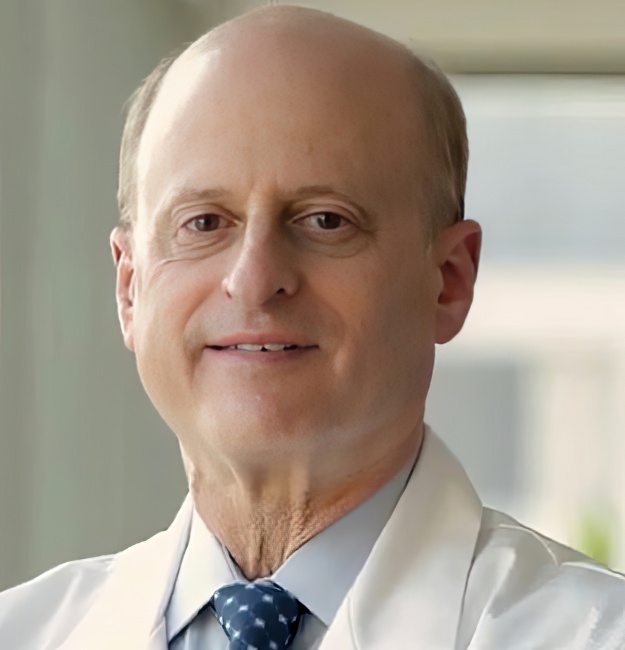
Learn why Dr. Bruce Cohen of Cohen Eye Associates, Limited in St. Louis, MO, is the best ophthalmologist to perform your PRK procedure...
PRK laser vision correction can improve several of the most common vision issues in about 15 minutes. If you're ready to be free of the struggles that come with poor vision, glasses, and contacts, get in touch with us today. Dr. Bruce Cohen offers in-depth consultations at our ophthalmology office in St. Louis, MO. Book yours by contacting us online or calling:
PRK is a laser eye surgery that corrects nearsightedness, farsightedness, and astigmatism by reshaping the cornea and allowing light to focus properly on the retina. It is similar to LASIK; the difference is that instead of creating a flap in the cornea, the entire outer layer of the cornea is removed. Healing after PRK takes a few days longer than healing from LASIK, but the procedures are equally effective.
If you have been told that you don't qualify for LASIK because you have thin corneas or are working in a profession with a high risk of corneal injury, such as construction, welding, or carpentry, PRK may be a suitable way to help you reduce or eliminate your need for glasses and contacts. During a consultation, Dr. Cohen can determine if this or another laser eye surgery is right for you.
Dr. Cohen is an esteemed eye surgeon who has provided comprehensive eye care to St. Louis, MO, patients for more than 40 years.
PRK is not usually covered by insurance, so our surgeon accepts financing through CareCredit® to make out-of-pocket costs for PRK more affordable.
Dr. Cohen uses the Visx Custom Wavefront™ Laser for unparalleled accuracy. This tool also allows us to precisely customize your vision correction surgery.
Yes! A 2023 study showed that 99.4% of PRK patients enjoy vision of at least 20/20 six months after wavefront-guided surgery. 98.8% of patients reported being satisfied with their surgeries.

—According to data from the American Academy of Ophthalmology
/
We use the Visx Wavescan system to detect even the smallest refractive errors in PRK surgery patients. The combination of this wavefront device and Star S4™ Laser (known as CustomVue treatment) allows Dr. Cohen to accurately assess and treat previously undetectable visual disorders.
Mary Ann Tuchschmidt
St. Louis, MO
2023
Everyone in the office was professional, kind and caring. Dr. Cohen is a great doctor, caring and always available. My surgery was amazing without complications. I would recommend the doctor to anyone having eye problems.
View on GoogleEnrico Di Cera
St. Louis, MO
2023
Excellent care and service in every respect. Highly professional staff. Dr. Cohen is great.
View on GoogleDr. Cohen's prestigious educational background, advanced eye surgery skill, and high standing in Missouri's medical community have made him an excellent choice to provide PRK surgery and other refractive procedures. He earned his bachelor's degree from Harvard University, graduating magna cum laude with highest honors in chemistry. He went on to receive his medical degree from Johns Hopkins University.
After completing internships and fellowships, Dr. Cohen became chief resident in ophthalmology at Barnes Hospital and chief of the University Eye Service at Washington University School of Medicine. Among his many honors, Dr. Cohen spent four years as a member of the board of trustees of the Missouri Ophthalmological Society and earned membership to the International Society of Refractive Surgery.
The incredible vision correction PRK provides can enhance your day-to-day life while minimizing the need to spend time and money on corrective lenses. Some patients who receive PRK don't need glasses or contacts at all following surgery. Others may only need them only for very specific functions, like nighttime driving.
Dr. Cohen is a laser vision correction specialist who can determine if PRK is right for you. His quality of care has earned many honors, including a listing as one of the top 100 laser vision surgeons in the country by TLC Laser Vision Centers, Inc. Call or write to us today to request your PRK consultation.
Mark Edwards
St. Louis, MO
2022
Professional, friendly and competent. They have been my eye specialists for the past 35 years, from routine eye exams to eye surgery. I always felt I was in good hands.
View on GoogleDebra WatkinsHamer
St. Louis, MO
2022
The physicians plus the office staff are amazing & friendly!!! Communication is the key & they put the patients first in everything they do & say.
View on GoogleDr. Cohen will go over all your refractive surgery options during your initial consultation. PRK is generally recommended for:
Although both LASIK and PRK achieve the same vision-improving results, Dr. Cohen's patients with thinner corneas may not be good candidates for LASIK. Here's why:
LASIK involves the creation of a flap in the top layer of the cornea so the excimer laser can reshape the eye tissue below. A thin cornea may make creating this flap difficult. PRK does not require a corneal flap, so it can be an effective alternative for patients who are not eligible for LASIK.
Certain hobbies, such as boxing and surfing, can put you at higher risk of injuring the eye. Patients with active lifestyles who choose LASIK have an increased risk of the flap becoming dislodged and other complications.
For these patients, PRK is typically a safer choice than LASIK. Members of the military and similar occupations might also decide PRK is a better fit than LASIK for this reason.
You will first have a thorough eye exam with Dr. Cohen to discuss if PRK or LASIK will be best for your vision needs. Your overall health and medical history will be evaluated as well. Pregnant or nursing patients should delay the surgery until Dr. Cohen deems it safe. The PRK procedure follows several simple steps:
PRK can be completed in about 15 minutes.
One of the first areas Dr. Cohen will assess is whether or not you have enough corneal tissue to support the reshaping of your eye. He will also evaluate your eye tissue for its general health and the likelihood of seamless healing. Dr. Cohen's many years as a renowned ophthalmologist will also give him insight into how your personal medical history will impact your PRK success.
The best way to determine if you are a great candidate for transformative PRK surgery is having a consultation with Dr. Cohen at our St. Louis office. He understands the key factors to evaluate and can create a trusting surgeon–patient relationship from day one. He can also let you know if LASIK or another procedure is more suitable for your needs. Give us a call or write to our team of eye specialists to request your potentially life-changing consultation.
PRK patients will have blurry vision for about a week until the top corneal layer grows back. This is because, unlike LASIK, PRK does not leave a protective flap over the cornea. This does not mean that PRK is a riskier procedure than LASIK—it's simply a different surgical method.
Fully stabilized vision will be achieved in about a month. You may experience symptoms like mild pain or dry eye in the first few weeks after surgery, so Dr. Cohen will prescribe pain medications and lubricating eye drops as needed to relieve discomfort and dry eye symptoms.
Cataracts can often cause cloudy vision. In some cases, patients require cataract surgery to return to clear sight. Unfortunately, some cataract surgeries can result in residual refractive errors that lead to persistently obstructed vision. The good news is that we can perform PRK to correct refractive errors you may be experiencing following cataract surgery elsewhere.
A study published in the International Journal of Ophthalmology found PRK to be safe and effective for correcting refractive errors caused during cataract surgery. Visual improvements were found to be stable and long-term for patients with and without astigmatism.
Lisa Pletz
2022
Love the caring, cheerful, & helpfulness of this staff ! Had all the answers I needed. Even though my appointment was on a holiday they didn’t seem to mind at all
View on GoogleSandra Correnti
St. Louis, MO
2022
It's always a pleasant and professional atmosphere, which is why I've continued seeing Dr. Cohen for so many years. I recommend him to anyone needing eye care.
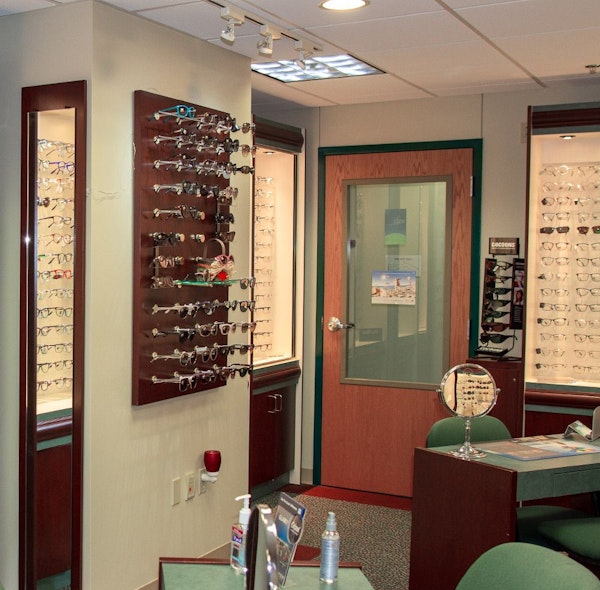
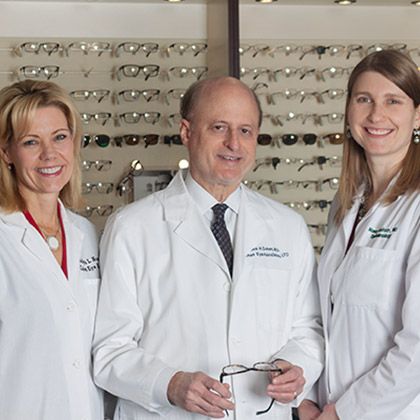
View on GoogleAt Cohen Eye Associates in St. Louis, MO, our team offers a full-service optical shop to address all of your vision needs. We can provide you and your family a range of eye care services, from LASIK and cataract surgery to glaucoma treatment. Our doctors are members of national professional organizations including:
To schedule an appointment with our eye care specialists, contact us online or call us at (314) 361-5003.